THE CHICKEN LIFE
Keeping chickens, the whole way through
Guides, courses and coop plans for people who keep a few hens in the backyard, from the first chick to the last egg, written by keepers who have made every mistake so you do not have to.
THREE PLACES TO START
Read, learn, build
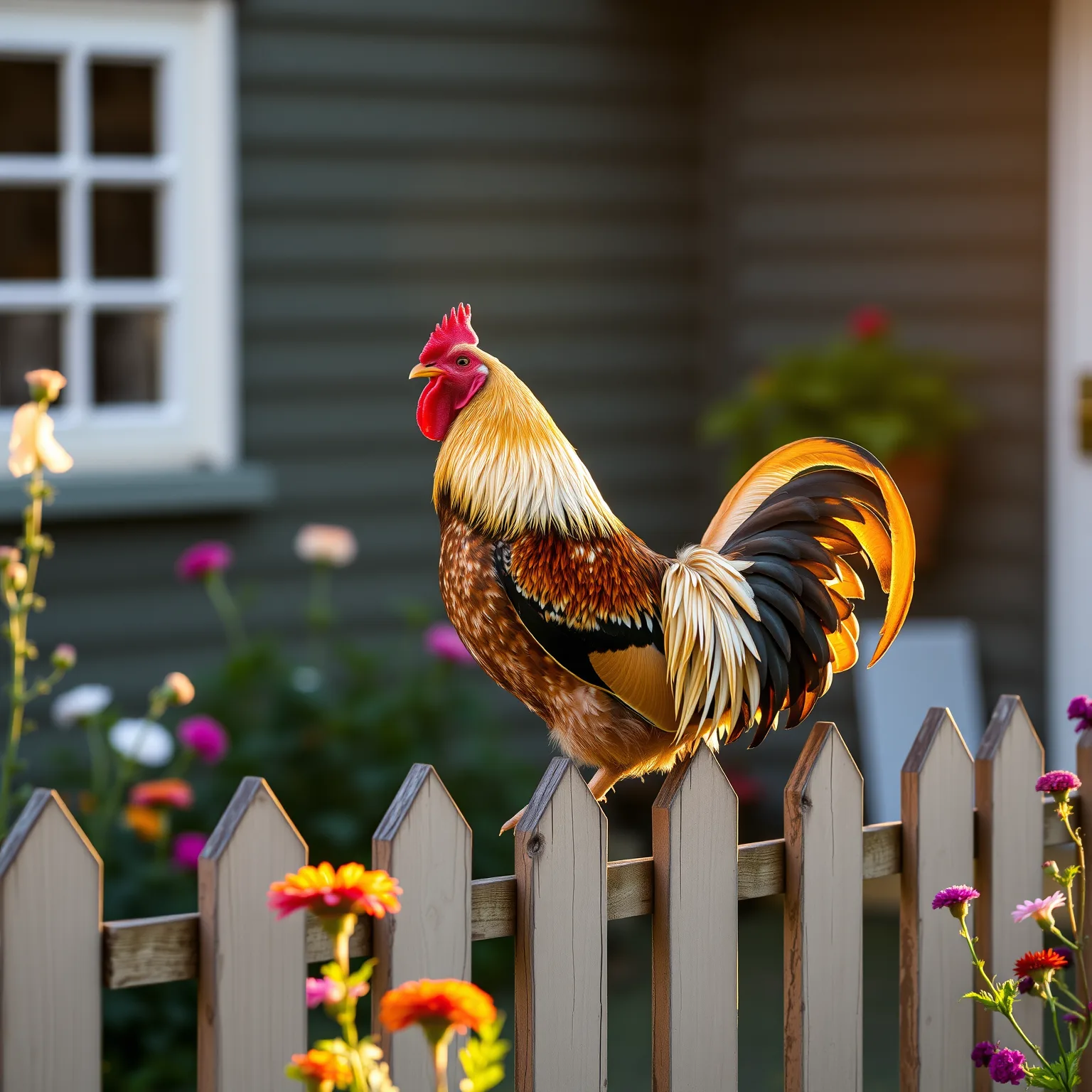
Guides
Breed choice, coops, feed, health and eggs, written plainly and kept up to date.
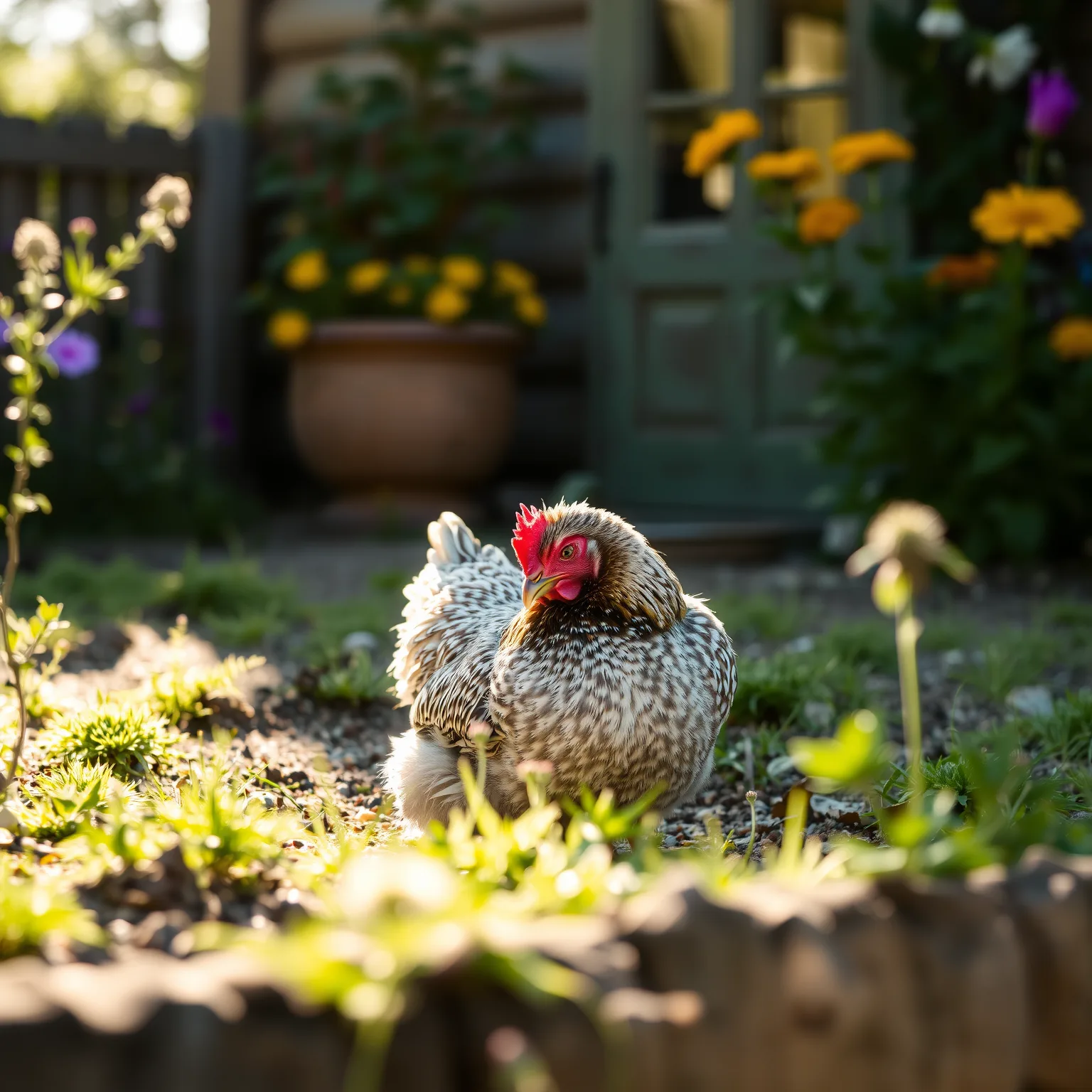
Courses
Structured video courses from first chicks to a mature flock, at your own pace.
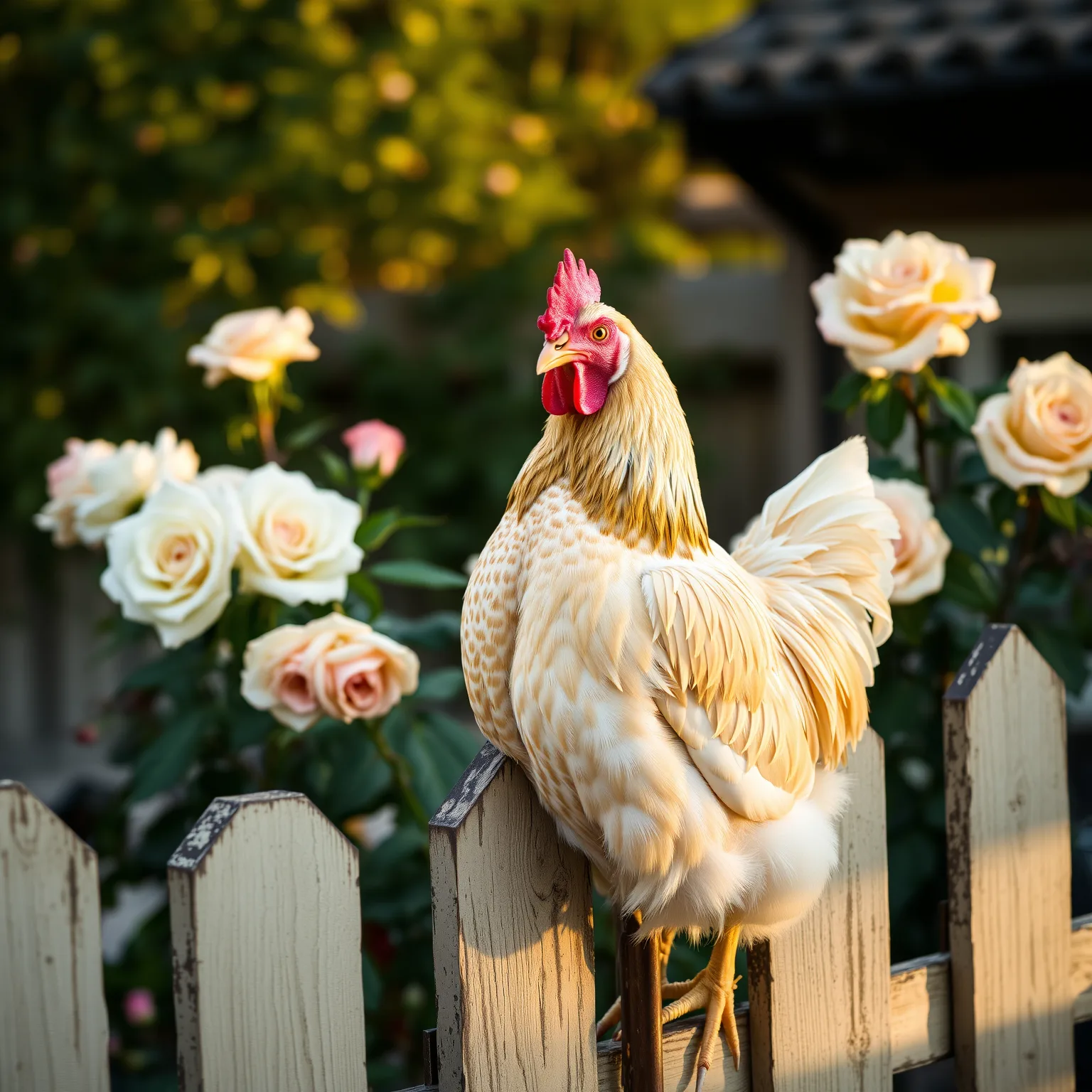
Coop plans
Symptom guides and a checklist for the vet visit, so nothing is missed.
THE FIRST YEAR
What happens, and when, with a first flock
Decide and build
Check the rules where you live, pick a breed, choose a coop plan and build it before a single bird arrives.
Chicks in the brooder
Warm, dry, fed and watered. You will check on them far more often than you need to.
Out to the coop
Feathered enough for the outdoors. The first night in the coop is a milestone.
The first egg
Small, often oddly shaped, and the best egg you will ever eat.
A flock that runs itself
Daily checks take five minutes. You now understand what you are looking at.
A notebook of mistakes, turned into guides
This started as a notebook of what went wrong: the coop that was too small, the breed that would not stop going broody, the feed that turned out to be mostly filler. It grew into the guides on this site, the courses, and the coop plans that thousands of people have now built from.
- Written from a real backyard flock
- Kept up to date every season
- Plain answers, in the order you need them
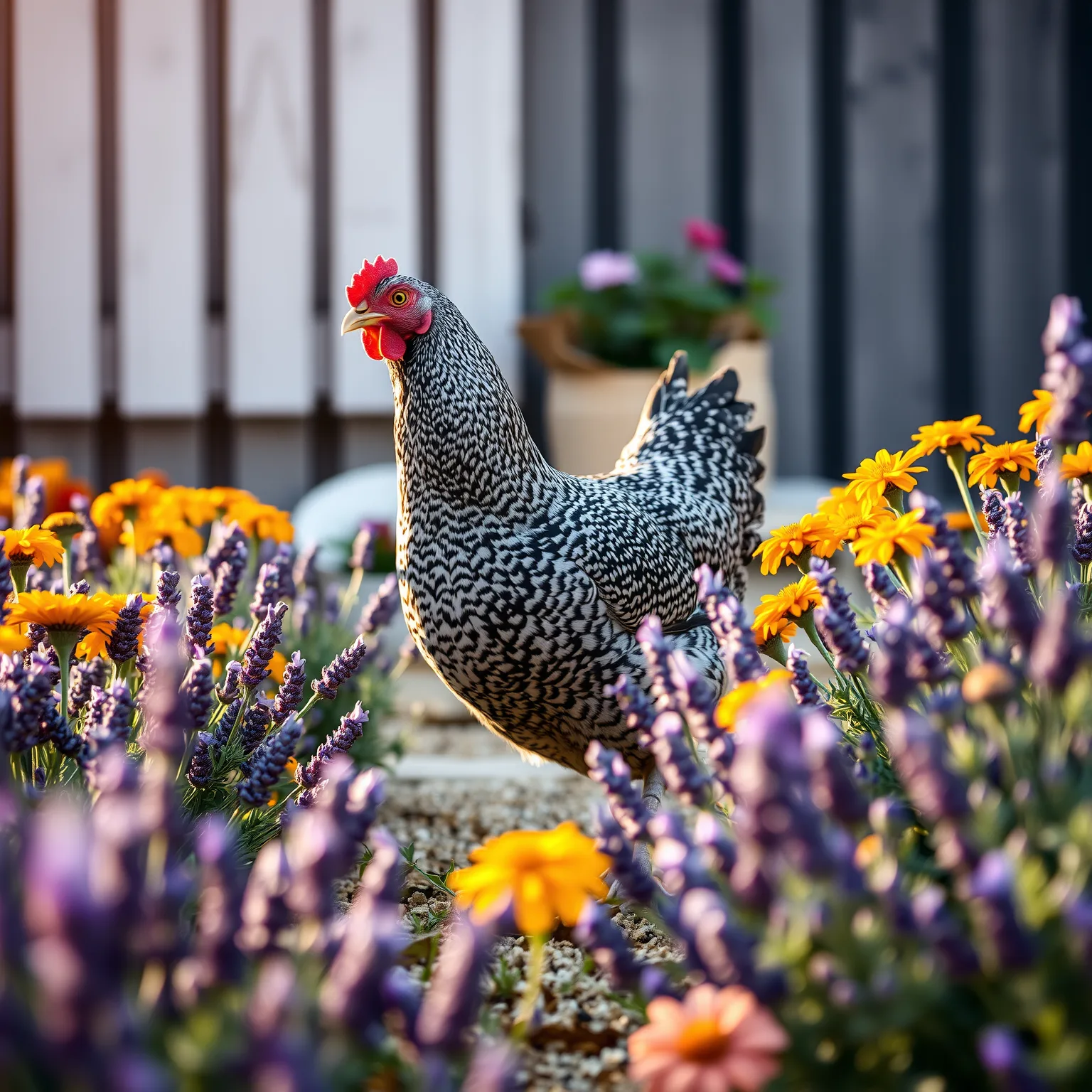
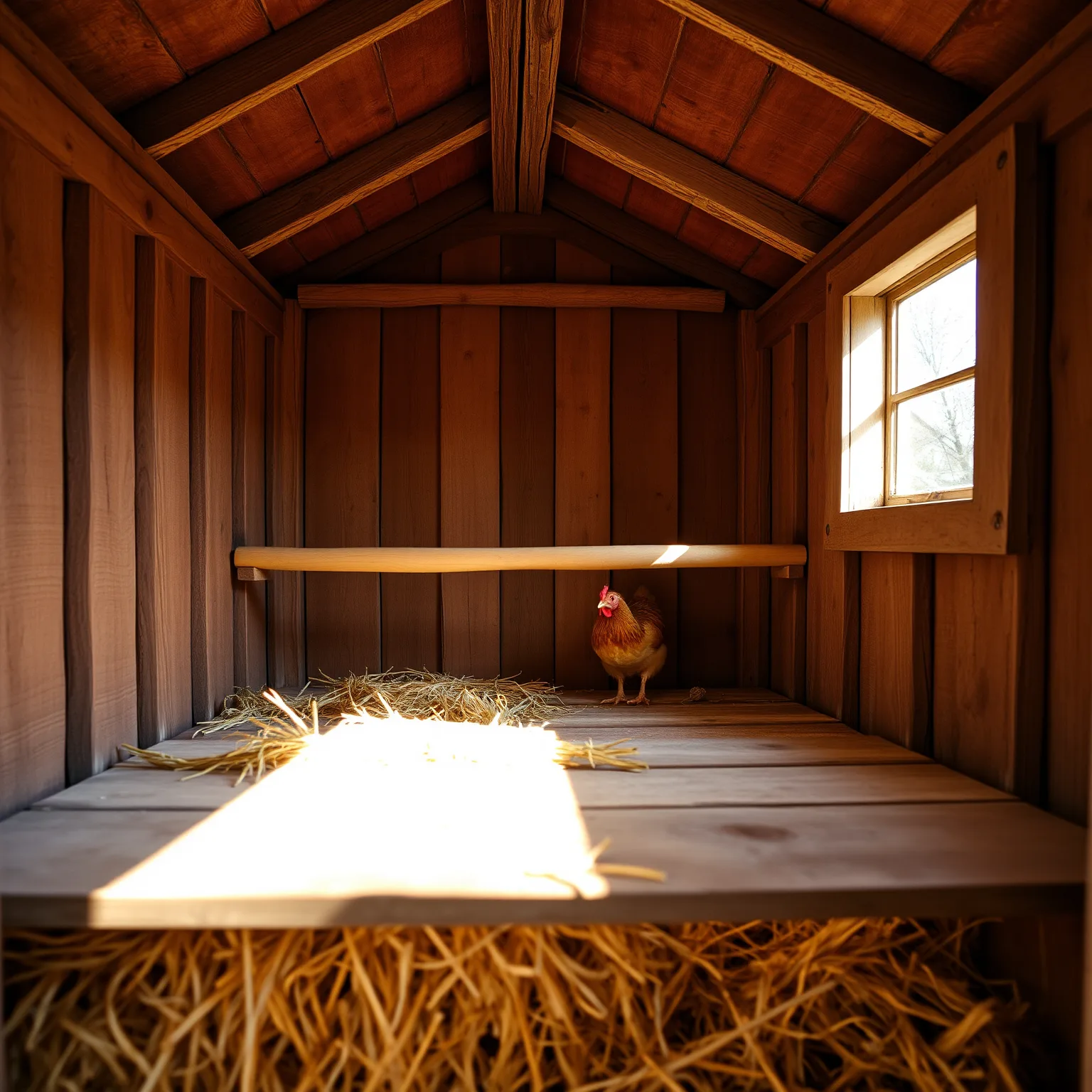
The goal is a flock that thrives
The point is a flock that thrives. Not a perfect one, not a big one, just healthy hens laying well in a coop that is easy to look after, kept by someone who understands what they are seeing. Everything here is in service of that.
- Small flocks, four to twenty hens
- Welfare first, always
- Every plan built and tested at home
PICK A BREED
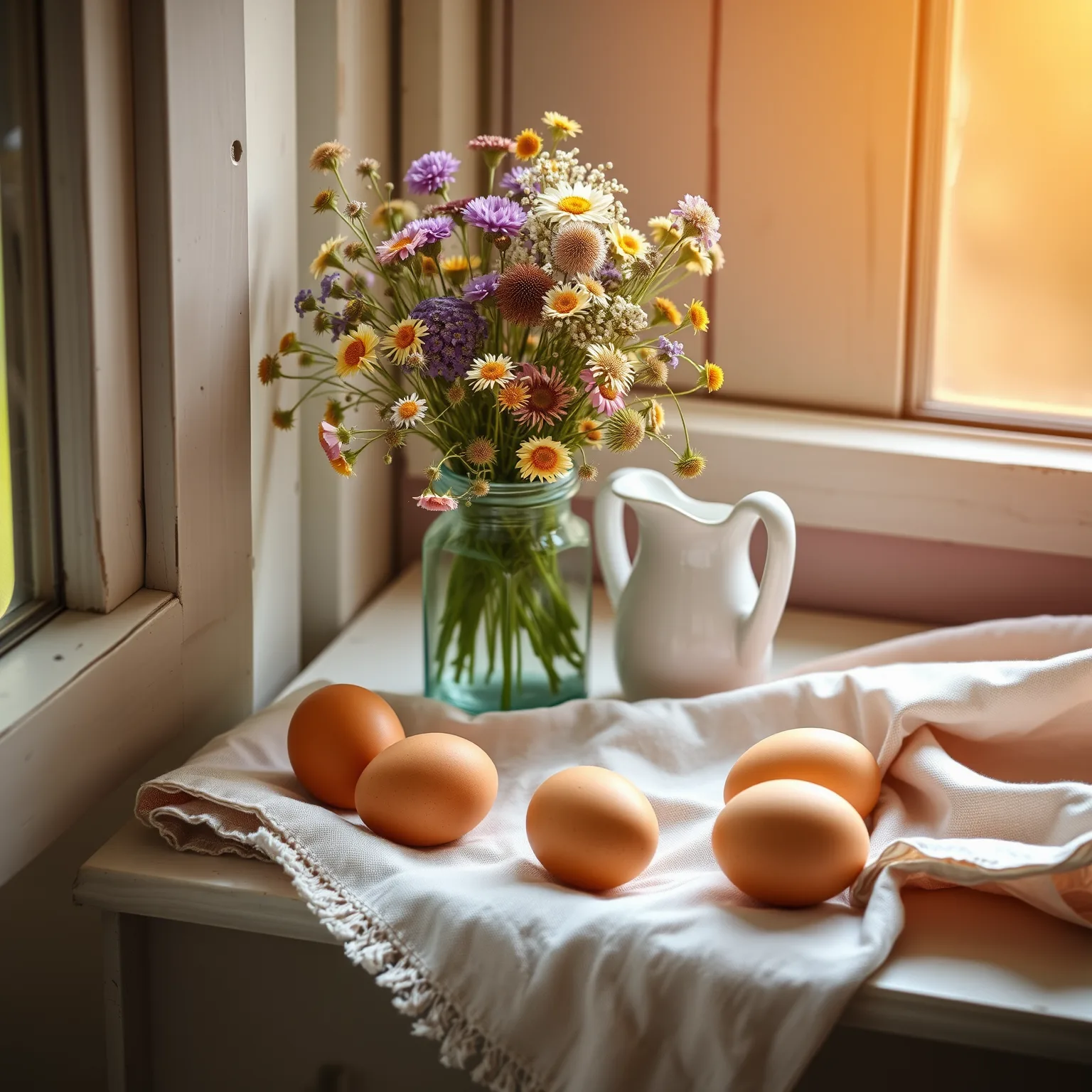
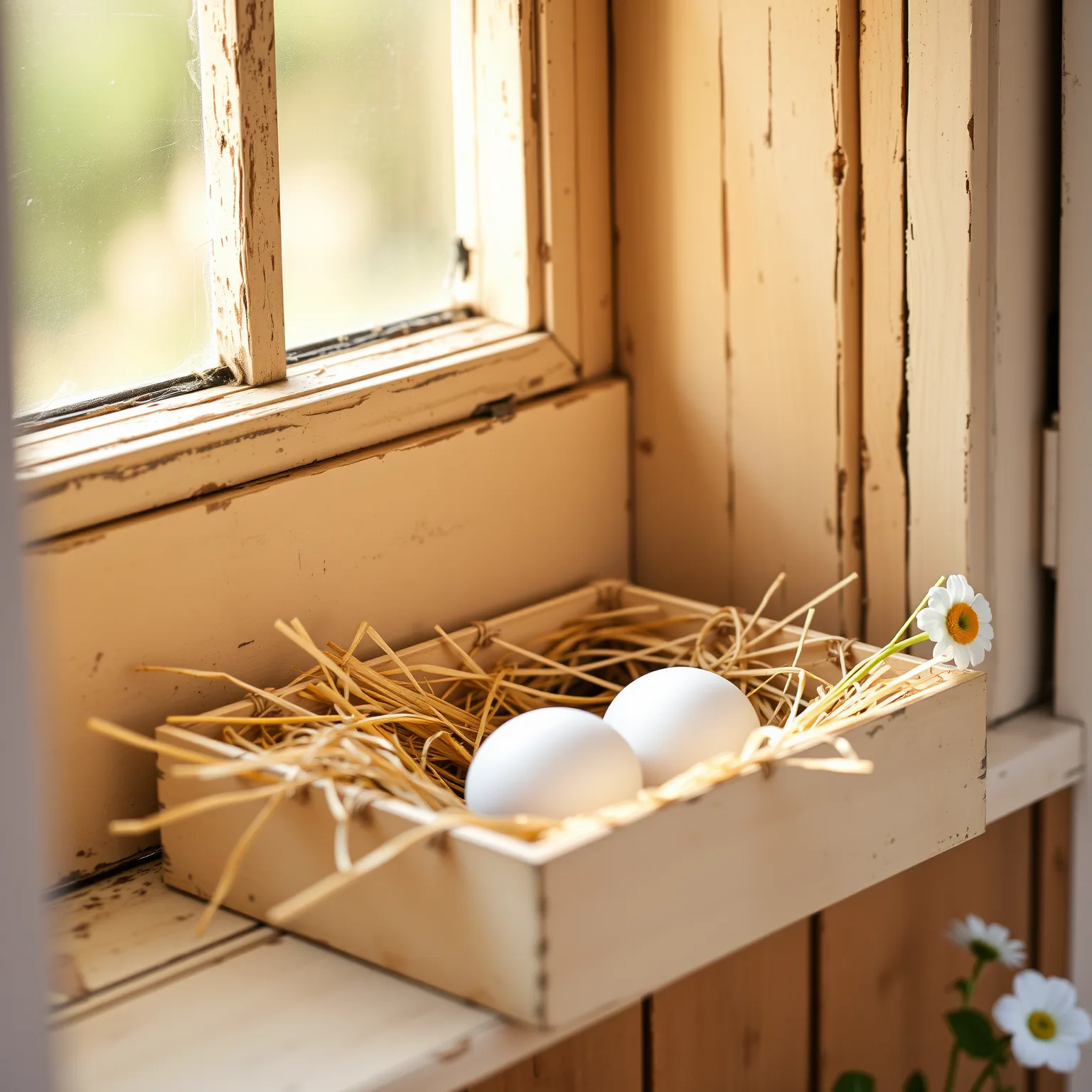
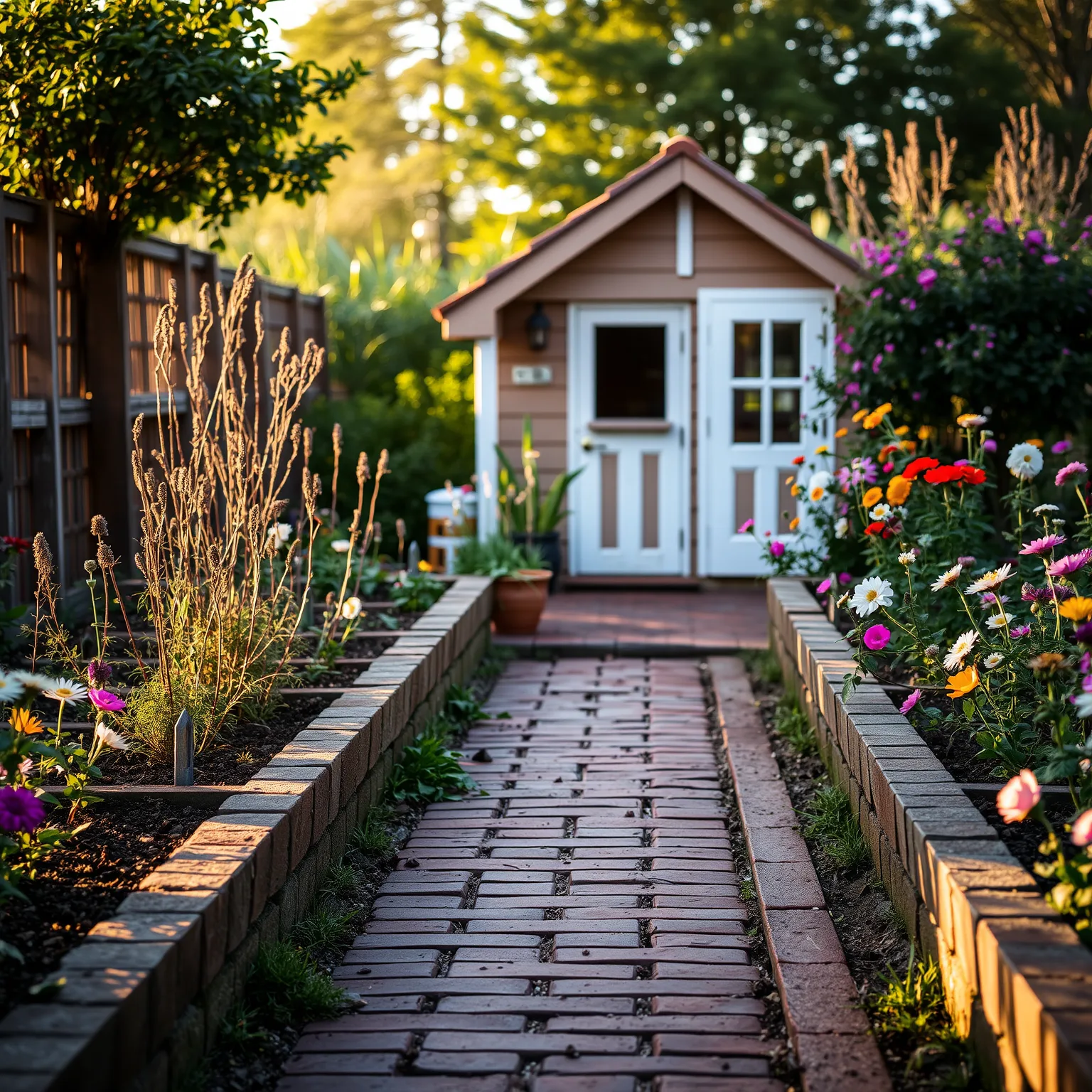
Four breeds most first flocks are built from
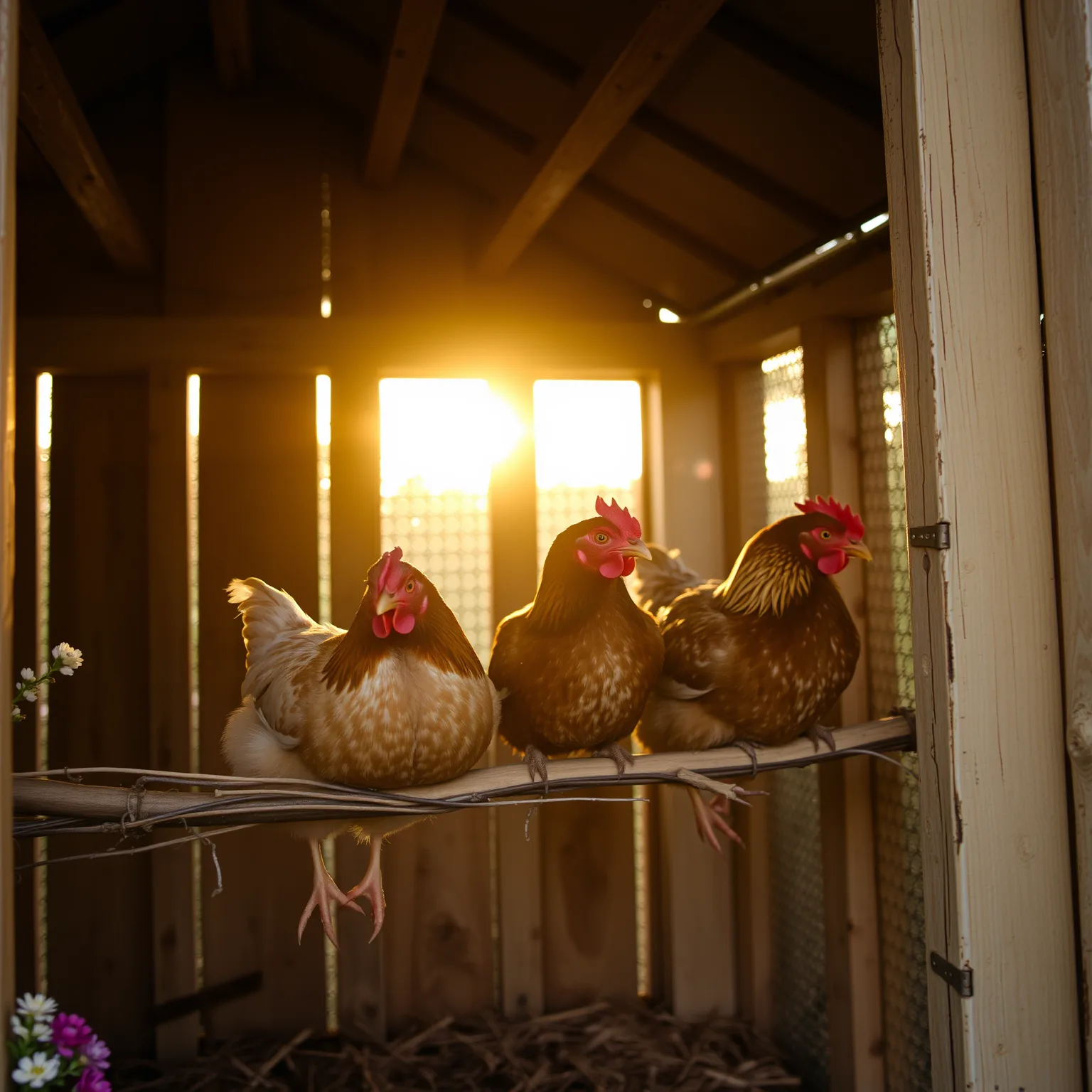
FROM READERS
What keepers say
A short quote from a happy client belongs here. Two or three sentences is usually enough to make the point without losing the reader.
Replace this with something a real customer said. Specific praise reads better than a general compliment, so keep whatever detail they gave you.
Testimonials work best when they name the problem that was solved. Leave the wording as close to how it was said as you can.
QUESTIONS
The ones every new keeper asks
Three to six. Chickens are flock animals and need company, and six hens keep a household in eggs without overwhelming a beginner. The breed finder helps you pick which.
No. Hens lay without one. A rooster is only needed if you want fertile eggs to hatch, and many towns do not allow them.
Rule of thumb: a few square feet per hen inside and several more in the run, with a roost bar and one nest box for every three or four hens. Each coop plan states its capacity plainly.
The first course assumes nothing at all. Later courses cover health, breeding and hatching, and managing a flock through winter.
The Sunday flock letter
One email a week: what the flock is doing, what to do this week, and one thing worth reading.
SubscribeStart the first course
From deciding to keep hens to the first egg, in order, at your own pace.
See the courses